Insuring your watch collection: how to prepare
Home insurance limits, cover away from home, supporting documents: what to check and prepare so you're properly covered if a watch is lost or stolen.
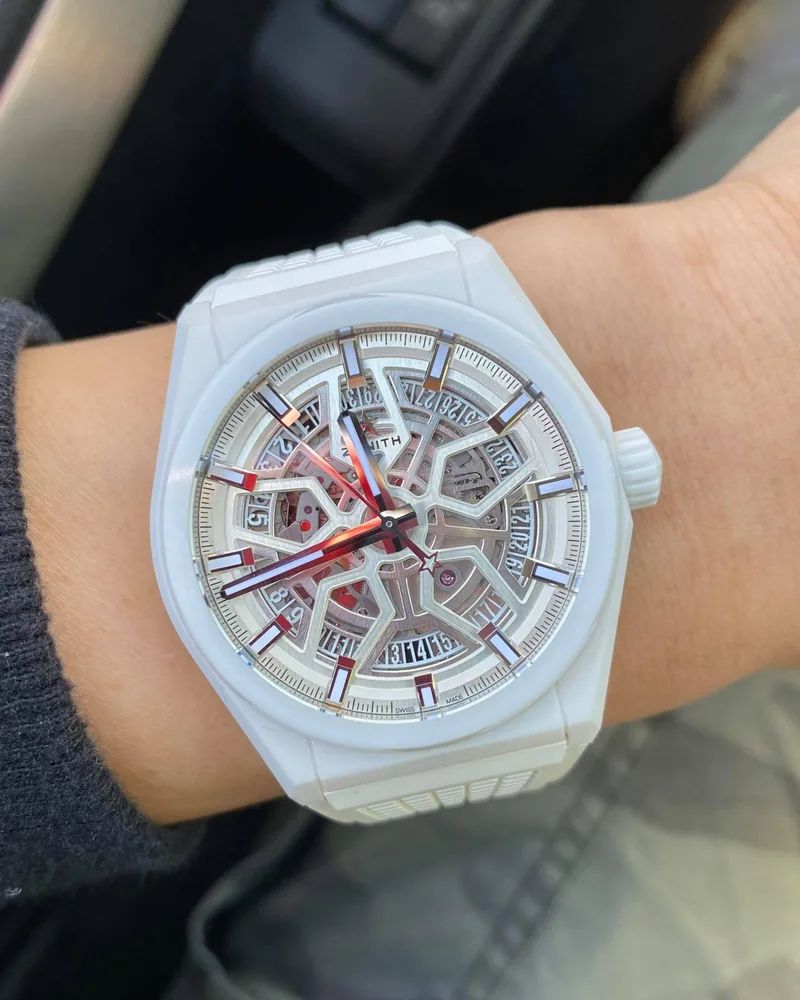
Many collectors assume their watches are covered by their home insurance. Sometimes that’s true; often it’s only partly true. And when a theft happens, what makes the difference isn’t just the policy: it’s the file you can hand over.
This article gives general pointers. Terms vary a lot from one policy and one country to another: always check yours with your insurer.
1. Re-read your home insurance policy
Home policies usually cover “valuables”, but with limits. Look in your policy documents for:
- the overall limit for valuables, often a fixed amount or a percentage of your contents cover;
- the single-item limit, which can be far below the price of one watch;
- the security requirements: locks, alarm, a safe for higher amounts;
- cover away from home: many policies only cover watches inside your home, not on your wrist while travelling or out and about;
- how claims are settled: purchase price, replacement value, value set by an expert…
If your collection exceeds those limits, you have two options: declare the watches to your insurer to adjust your policy, or take out a specialist valuables policy, which often also covers watches worn outside.
2. Build a file for each watch
After a loss, your insurer will ask you to prove each watch’s existence, authenticity and value. Prepare now:
- the purchase receipt (or a bank statement if you don’t have one);
- the warranty card or certificate, with the serial number;
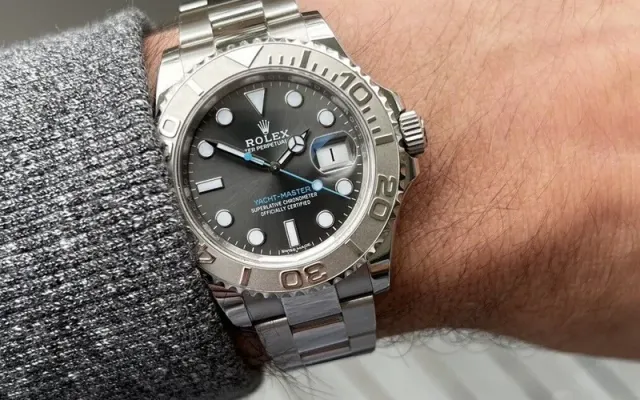
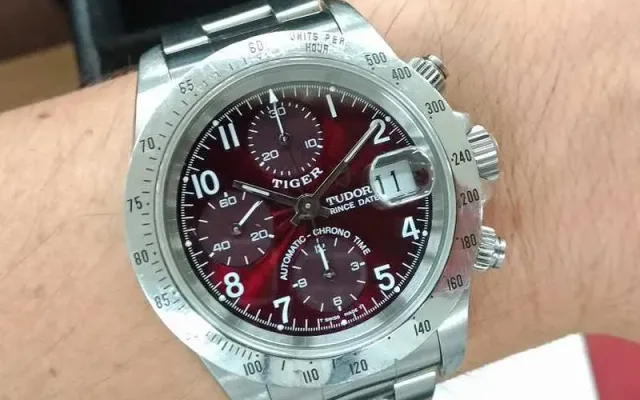
- recent, sharp photos: dial, caseback, profile, and a wrist shot proving the watch is yours;
- service invoices, which document condition and history;
- a professional valuation for the most expensive or vintage pieces, if your insurer requires one.
Keep a copy of all this somewhere other than your home (online, with a relative): a file stored in the drawer that was burgled is no use.
3. Keep values up to date
Pre-owned watch prices move. A watch bought ten years ago may be worth much more, or less, today. If your policy pays out based on a declared value, review it regularly, say once a year and after every purchase.
4. Everyday good habits
- Don’t post your watches alongside your address or identifiable details on social media.
- Avoid wearing a very expensive watch in situations where you wouldn’t walk around holding a wad of cash.
- When travelling, check that your policy covers the watch away from home and abroad.
- If a watch is stolen, report it to the police quickly and notify your insurer within the deadline in your policy. Also register the serial number with stolen-watch databases.
Build your inventory with Arcora
In Arcora, each watch already brings together its photos, reference, estimated value and service log. With Premium, the insurance export creates a PDF inventory in one click, with a photo, the reference and the declared value of each watch: the document to hand to your insurer, or keep somewhere safe.
In short
- Check your policy’s limits, conditions and cover away from home.
- Gather the receipt, warranty, photos and service invoices for each watch.
- Keep a copy of the file outside your home.
- Update values at least once a year.